
A Foreign Buyer's Guide to Real Estate in Tel Aviv
Tel Aviv remains one of the most sought-after cities in Israel for international real estate investors - a global tech hub with a Mediterranean coastline, strong rental demand, and a track record of long-term price resilience. But buying as a foreigner comes with its own set of rules around financing, taxation, and process. This guide covers what you need to know before you invest.
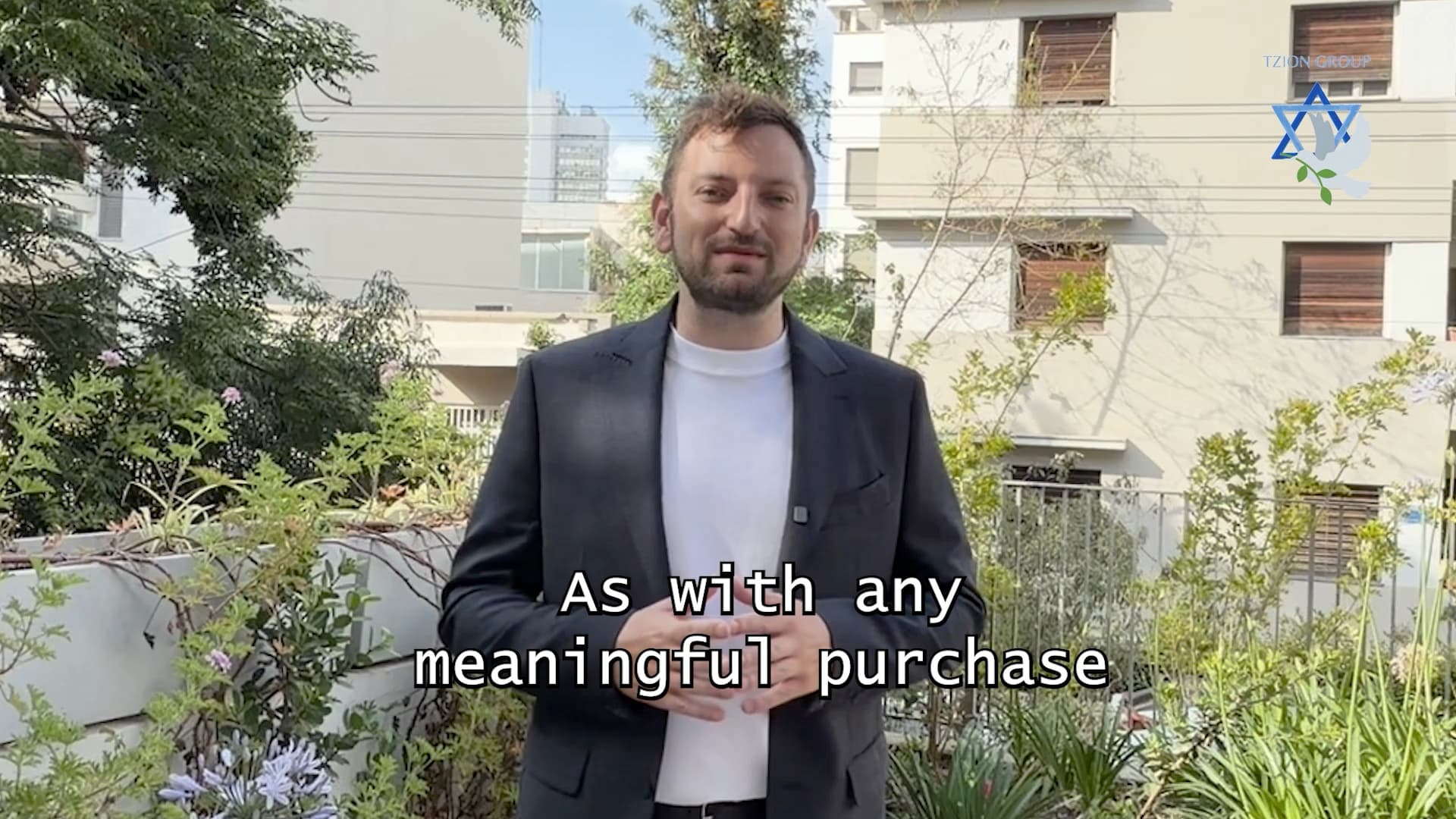
Financing, taxes, and process - what foreign buyers need to know first.
Can Foreigners Buy Real Estate in Tel Aviv?
Yes. Israel places no general restriction on foreign nationals purchasing residential real estate, and non-residents - Jewish and non-Jewish alike - regularly buy property in Tel Aviv without needing citizenship, residency, or a local partner. That openness is part of why the city attracts such a steady flow of international investment, alongside a large and active Israeli buyer base competing for the same inventory.
Financing as a Non-Resident
Mortgage Limits
Israeli banks generally cap financing for non-resident buyers at around 50% of the property's value, compared to higher ratios available to Israeli residents. Some buyers choose to purchase with cash or a mix of cash and financing for this reason.
Required Documentation
Expect to provide proof of income, tax returns, bank statements, and identification from your home country. Israeli banks will run their own underwriting process regardless of your financial standing abroad.
Currency Considerations
Since most Israeli real estate is priced and financed in shekels, exchange rate movement between your home currency and the shekel can meaningfully affect your effective purchase price and ongoing mortgage payments.
Taxes Foreign Buyers Should Know
Israel's purchase tax (Mas Rechisha) is progressive and status-dependent - foreign buyers and investors are generally taxed at the rate applied to an additional or investment property, rather than the reduced first-home rate available to Israeli residents. A few points worth budgeting for in advance:
The Purchase Process, Step by Step
Define Your Budget and Goals
Decide upfront whether you're buying for personal use, rental income, or long-term appreciation - it shapes which Tel Aviv neighborhoods and property types make sense.
Secure Financing Pre-Approval
Get a clear picture of what an Israeli bank will lend you as a non-resident before you start viewing properties, so offers you make are realistic.
Search and Shortlist
Work with a local team who can evaluate properties on your behalf, especially if you can't view every option in person.
Legal Due Diligence
An Israeli real estate attorney should review the title (Tabu or Rasham HaMekarke'in registration), any liens, and the contract terms before you sign anything.
Sign and Register
Once terms are agreed, the purchase agreement is signed, taxes are paid, and ownership is registered with the Israel Land Registry.
Choosing Where to Buy
Tel Aviv is far from uniform - the Old North offers established, leafy streets close to the beach, Rothschild and the city center put you in the middle of Tel Aviv's business and culture, and up-and-coming pockets further south trade some polish for lower entry prices. The right neighborhood depends entirely on whether you're buying to live, to rent out, or purely to invest. Tzion Group works with international buyers throughout this process, from financing strategy to final registration, so you can invest in Tel Aviv real estate with a clear picture of the full cost and process ahead of you.
Explore Tel Aviv Real Estate
Speak with our advisors about financing, neighborhoods, and next steps as a foreign buyer.
Explore Your Options