
Simplifying Property Ownership in Israel for Jews
Owning property in Israel can be a complex process, especially for Jews looking to invest in their homeland. With a unique legal framework and cultural nuances, navigating the real estate market can feel overwhelming. However, understanding the key aspects of property ownership can simplify the journey and make it more accessible. This blog post aims to break down the essential elements of property ownership in Israel, providing practical insights and guidance for prospective buyers.
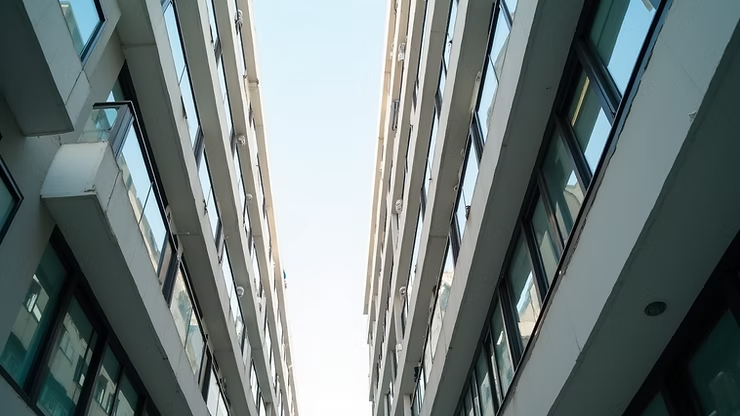
A modern residential building showcasing contemporary architecture in Tel Aviv.
Understanding the Legal Framework
Types of Property Ownership
In Israel, property ownership can be categorized into several types:
Freehold (Chazaka)
This is the most straightforward form of ownership, where the buyer owns the property and the land it sits on outright. Freehold properties are typically found in private developments and are highly sought after.
Leasehold (Mitzta'ot)
In this arrangement, the buyer owns the property but leases the land from the state or a private entity. Leasehold agreements can last for several decades, but it is essential to understand the terms and conditions, as they can vary significantly.
Cooperative Housing (Shikun)
This model involves purchasing shares in a cooperative that owns the property. Residents have the right to occupy a unit but do not own the property outright. This option is often more affordable but comes with its own set of regulations.
Legal Considerations
When purchasing property in Israel, it is crucial to be aware of the legal requirements:
Financing Your Property Purchase
Understanding Mortgages in Israel
For many, securing financing is a critical step in the property ownership process. Here are some key points to consider:
Government Assistance Programs
The Israeli government offers several programs to assist first-time homebuyers, including:
Subsidized Loans
These loans come with lower interest rates and favorable terms for eligible buyers.
Grants for Young Couples
Young couples may qualify for grants to help with their down payment, making homeownership more attainable.
The Buying Process
Steps to Purchase Property
Research
Start by researching neighborhoods and properties that fit your budget and lifestyle. Consider factors such as proximity to schools, public transportation, and amenities.
Engage a Real Estate Agent
A local real estate agent can provide valuable insights and help you navigate the market. They can also assist in negotiating the purchase price.
Make an Offer
Once you find a suitable property, make a formal offer. Be prepared for negotiations, as sellers may counter your initial offer.
Sign a Purchase Agreement
After agreeing on a price, both parties will sign a purchase agreement outlining the terms of the sale.
Conduct Inspections
Hire professionals to conduct property inspections to identify any potential issues before finalizing the purchase.
Finalize Financing
Work with your bank to finalize your mortgage and secure the necessary funds for the purchase.
Transfer Ownership
Once all conditions are met, the final step is to transfer ownership at the Land Registry Office. This process involves paying the purchase tax and registering the property in your name.
Cultural Considerations
Understanding Local Customs
When purchasing property in Israel, it is essential to be aware of cultural nuances that may impact the buying process:
Language Barriers
While many Israelis speak English, it is beneficial to learn some basic Hebrew phrases. This effort can enhance your interactions and show respect for the local culture.
Common Challenges and Solutions
Navigating Bureaucracy
The bureaucratic process in Israel can be daunting. Here are some tips to help you navigate it:
Understanding Market Trends
The Israeli real estate market can be volatile. Staying informed about market trends can help you make better investment decisions:
Conclusion
Owning property in Israel is an exciting opportunity for Jews looking to connect with their heritage and invest in their future. By understanding the legal framework, financing options, and cultural considerations, you can simplify the property ownership process. Remember to conduct thorough research, seek professional guidance, and stay informed about market trends. With the right approach, you can successfully navigate the complexities of property ownership in Israel and make a meaningful investment in your homeland.
As you embark on this journey, take the time to explore different neighborhoods, engage with local communities, and immerse yourself in the vibrant culture that Israel has to offer. Your dream of property ownership is within reach, and with careful planning and informed decisions, you can turn that dream into a reality.
Curious about the deeper motivations behind property ownership in Israel? Read our post on the connection between Zionism and real estate.
Start Your Journey Today
Connect with our advisors for personalized guidance on property ownership in Israel.
Explore Your Options