
Why Netanya Is Becoming a Hotspot for Pre-Construction Investment
While Tel Aviv and Jerusalem dominate most conversations about Israeli real estate, Netanya has quietly become one of the country's more interesting markets for pre-construction investors. A growing coastal city with improving infrastructure and prices still well below Tel Aviv's, it's drawing attention from Israeli and international buyers alike. Here's what's driving that interest, how pre-construction investment actually works in Israel, and what to weigh before committing.
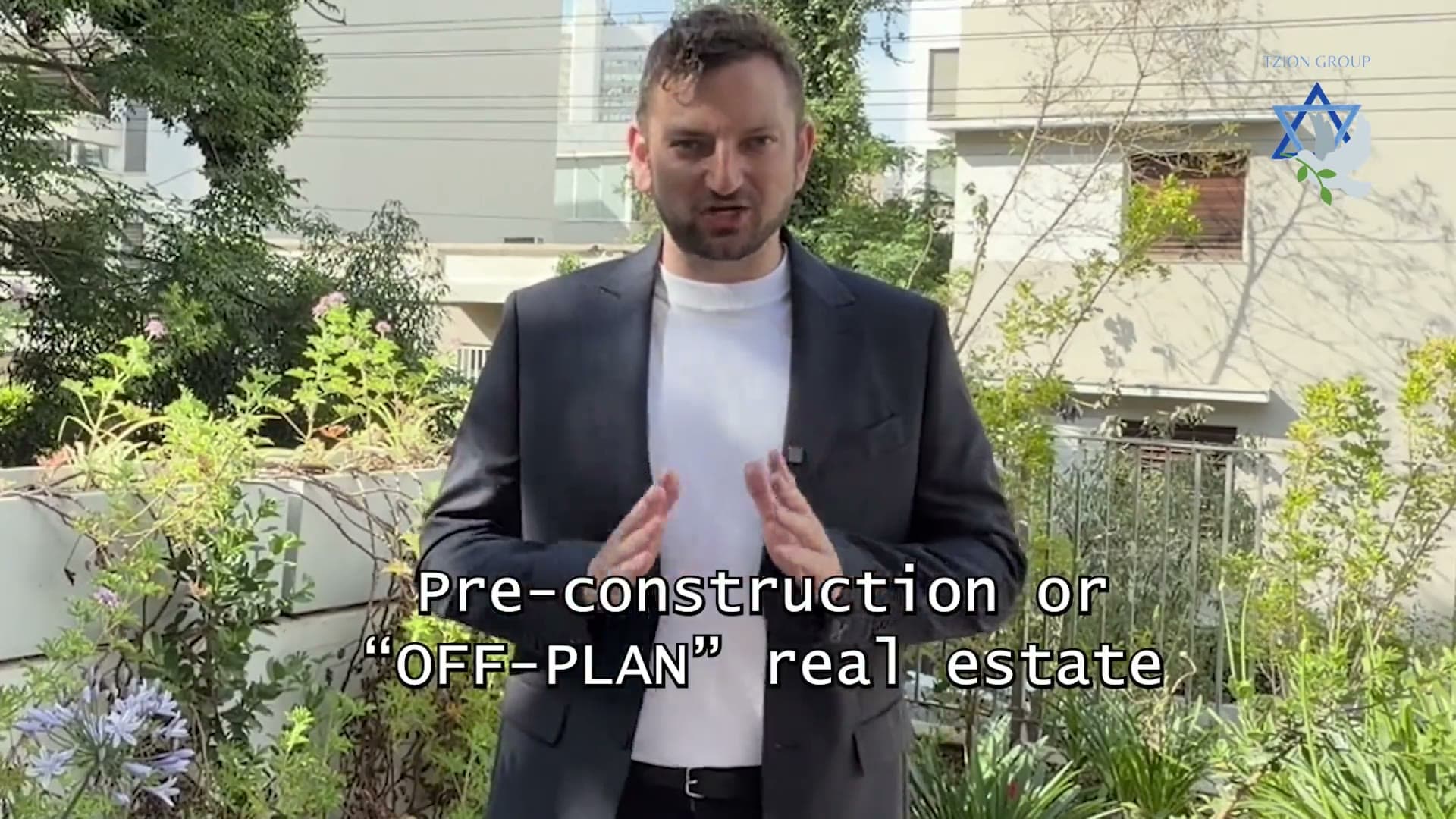
Buying "on paper" means entering a project before it's built - and before much of its price appreciation has happened.
Why Netanya?
Coastal City, Lower Entry Price
Netanya offers Mediterranean beachfront living at price points that remain meaningfully lower than comparable coastal property in Tel Aviv, which is part of what's pulling in both first-time and repeat investors.
Growing Anglo and International Community
Netanya has long been a hub for English-speaking olim and international buyers, which supports demand for well-managed rental units and resale liquidity when it's time to sell.
Infrastructure and Transit Investment
Ongoing improvements to regional rail and road connections are shortening the commute between Netanya and the greater Tel Aviv employment hub, a factor that tends to support long-term property values.
Active New Development Pipeline
A steady pipeline of new residential projects means investors have real choice in unit type, building quality, and delivery timeline - unlike more built-out markets with limited new supply.
What Is Pre-Construction ("Al HaNayar") Investment?
In Israel, buying "al hanayar" - literally "on paper" - means purchasing a unit before or during construction, based on architectural plans rather than a finished building. It's a well-established and heavily regulated way to invest in Israeli real estate, not an informal arrangement:
Potential Upside and Real Risks
Pre-construction investment is often framed around its upside - the possibility that a unit purchased today at today's price is worth more once the building is finished and the surrounding area has developed further. That's a real dynamic in growing markets like Netanya, but it isn't guaranteed, and it isn't the whole picture.
Who This Strategy Suits
Pre-construction investment tends to suit buyers who can be patient - those comfortable waiting one to several years for a project to complete, who have done their homework on the developer, and who see this as one part of a broader Israeli real estate strategy rather than their only holding. It's a strong complement to Tzion Group's group allocation model, which is specifically built around this kind of early-stage access.
A Market Worth Watching
Netanya won't suit every investor, but for those looking to invest in Israeli real estate at a lower entry point than Tel Aviv, with a genuine growth story behind it, it's become one of the more compelling coastal markets to watch. As with any pre-construction purchase, the opportunity is real - and so is the need for careful, project-by-project due diligence before committing.
Explore Netanya Opportunities
Speak with our advisors about current pre-construction projects and how they fit your strategy.
Explore Your Options