
Navigating Legalities of Property Ownership in Israel
Owning property in Israel can be a rewarding investment, but it comes with its own set of legal complexities. Whether you are a local resident or a foreign investor, understanding the legal landscape is crucial for a smooth property acquisition process. This guide will walk you through the essential aspects of property ownership in Israel, covering everything from types of ownership to the legal processes involved.

A modern residential building showcasing contemporary architecture in Tel Aviv.
Understanding Property Ownership Types
In Israel, property ownership can be categorized into several types. Each type has its own legal implications and responsibilities. Here are the main types:
Freehold
Full rights, land included
Leasehold
49 or 99-year lease
Joint Ownership
Shared between parties
Cooperative
Shares in a collective
Freehold Ownership
Freehold ownership is the most straightforward form of property ownership. It grants the owner full rights over the property, including the land it sits on. This type of ownership is common for residential properties and allows for complete control over the property, including the ability to sell, lease, or modify it.
Leasehold Ownership
Leasehold ownership is prevalent in Israel, especially for properties owned by the government or municipalities. In this arrangement, the buyer purchases the right to use the property for a specified period, typically 49 or 99 years. After the lease expires, ownership reverts to the landowner, which is often the state.
Joint Ownership
Joint ownership occurs when two or more parties share ownership of a property. This can be a beneficial arrangement for families or business partners. However, it requires clear agreements on how decisions will be made regarding the property, including sales, renovations, and maintenance.
Cooperative Housing
Cooperative housing is another unique form of ownership in Israel. In this model, residents own shares in a cooperative that owns the property. This arrangement often leads to lower costs and a strong sense of community, but it can also complicate individual ownership rights.
Legal Framework Governing Property Ownership
Understanding the legal framework is essential for anyone looking to purchase property in Israel. The following laws and regulations play a significant role in property transactions:
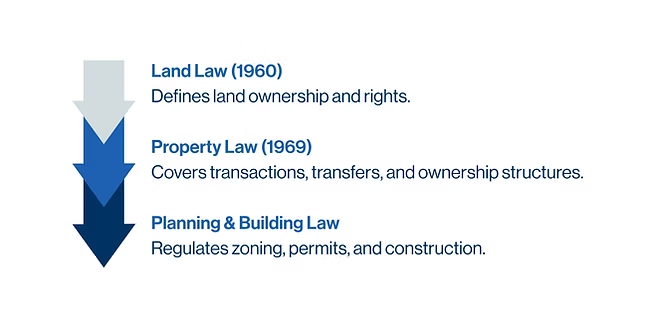
Israel Lands Administration Law (1960)
This law, alongside Basic Law: Israel Lands, establishes that the large majority of land in Israel is owned by the state and administered by the Israel Land Authority, with private ownership limited to a smaller share of the country. It sets the framework for how state land is allocated and leased to individuals and developers.
The Land Law (1969)
The Land Law, 5729-1969 (Chok HaMekarke'in), is Israel's core property statute. It regulates ownership, transactions, leases, and mortgages, and provides the legal requirements for valid contracts and land registration.
The Planning and Building Law
This law governs land use and development in Israel. It requires property owners to obtain permits for construction and modifications. Understanding this law is crucial for anyone looking to build or renovate a property.
The Property Purchase Process
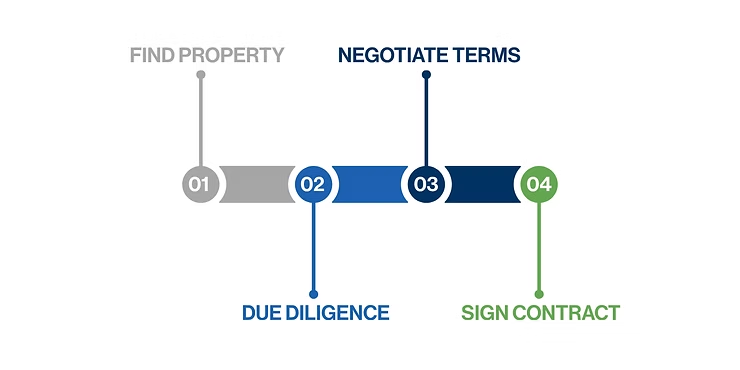
Purchasing property in Israel involves several steps, each with its own legal requirements. Here's a breakdown of the process:
Finding the Right Property
The first step is to identify the property you wish to purchase. This can be done through real estate agents, online listings, or personal connections. It's essential to conduct thorough research to ensure the property meets your needs and budget.
Due Diligence
Once you've found a property, conducting due diligence is crucial. This involves checking the property's legal status, including ownership rights, zoning regulations, and any existing liens or encumbrances. Hiring a local attorney can help navigate this process.
Negotiating the Purchase Agreement
After completing due diligence, the next step is to negotiate the purchase agreement. This contract outlines the terms of the sale, including the purchase price, payment schedule, and any contingencies. It's vital to ensure that the agreement complies with Israeli law.
Signing the Agreement
Once both parties agree on the terms, the purchase agreement is signed. At this stage, a deposit is typically paid, which is usually around 10% of the purchase price. This deposit secures the transaction and demonstrates the buyer's commitment.
Registration of Ownership
The final step is to register the property with the Israeli Land Registry. This process officially transfers ownership and provides legal protection for the buyer. Registration requires submitting the signed purchase agreement, proof of payment, and any necessary permits.
Taxes and Fees Associated with Property Ownership
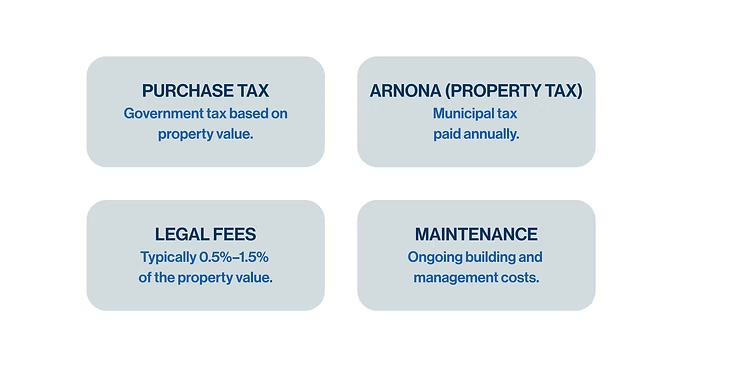
Understanding the financial implications of property ownership is crucial. Here are some of the key taxes and fees you should be aware of:
Purchase Tax
When purchasing property in Israel, buyers are required to pay a purchase tax, which varies based on the property's value and the buyer's status (first-time buyer, foreign investor, etc.). The tax rates range from 0% to 10%.
Annual Property Tax (Arnona)
Property owners in Israel must pay an annual property tax, known as "Arnona." The amount is determined by the municipality and is based on the property's size and location.
Legal Fees
Hiring a lawyer to assist with the property purchase is highly recommended. Legal fees typically range from 0.5% to 1.5% (+ VAT) of the property's purchase price.
Maintenance Fees
If you purchase a property in a cooperative or a building with shared amenities, you may be required to pay monthly maintenance fees. These fees cover the costs of building maintenance, security, and communal services.
Challenges for Foreign Investors
Foreign investors looking to purchase property in Israel may face unique challenges. Here are some common issues to consider:
Conclusion
Navigating the legalities of property ownership in Israel requires careful consideration and understanding of the local laws and regulations. By familiarizing yourself with the types of ownership, legal framework, purchase process, and associated costs, you can make informed decisions that will benefit you in the long run. Whether you are a local resident or a foreign investor, taking the time to understand these aspects will pave the way for a successful property acquisition in Israel.
As you embark on this journey, remember to seek professional advice and conduct thorough research to ensure a smooth and legally compliant transaction.
Ready to Take the First Step?
Speak with our advisors to navigate the legal landscape with confidence.
Explore Your Options